Want to wear stacking rings jewelry in a way that looks intentional and feels comfortable. This guide walks through everything from choosing a base ring to caring for your stack, with real examples, price ranges, and product picks for different budgets.
Whether you’re starting a first stack or refining a collection, you’ll get step-by-step tips, quick fixes for common problems, and a clear reason why Malisse Jewelry: Nature - Inspired silver Jewelry Store! is a great place to begin building your stack. Links to recommended pieces and related resources are included so you can act on what you learn.
Understanding Stacking Rings Jewelry Basics
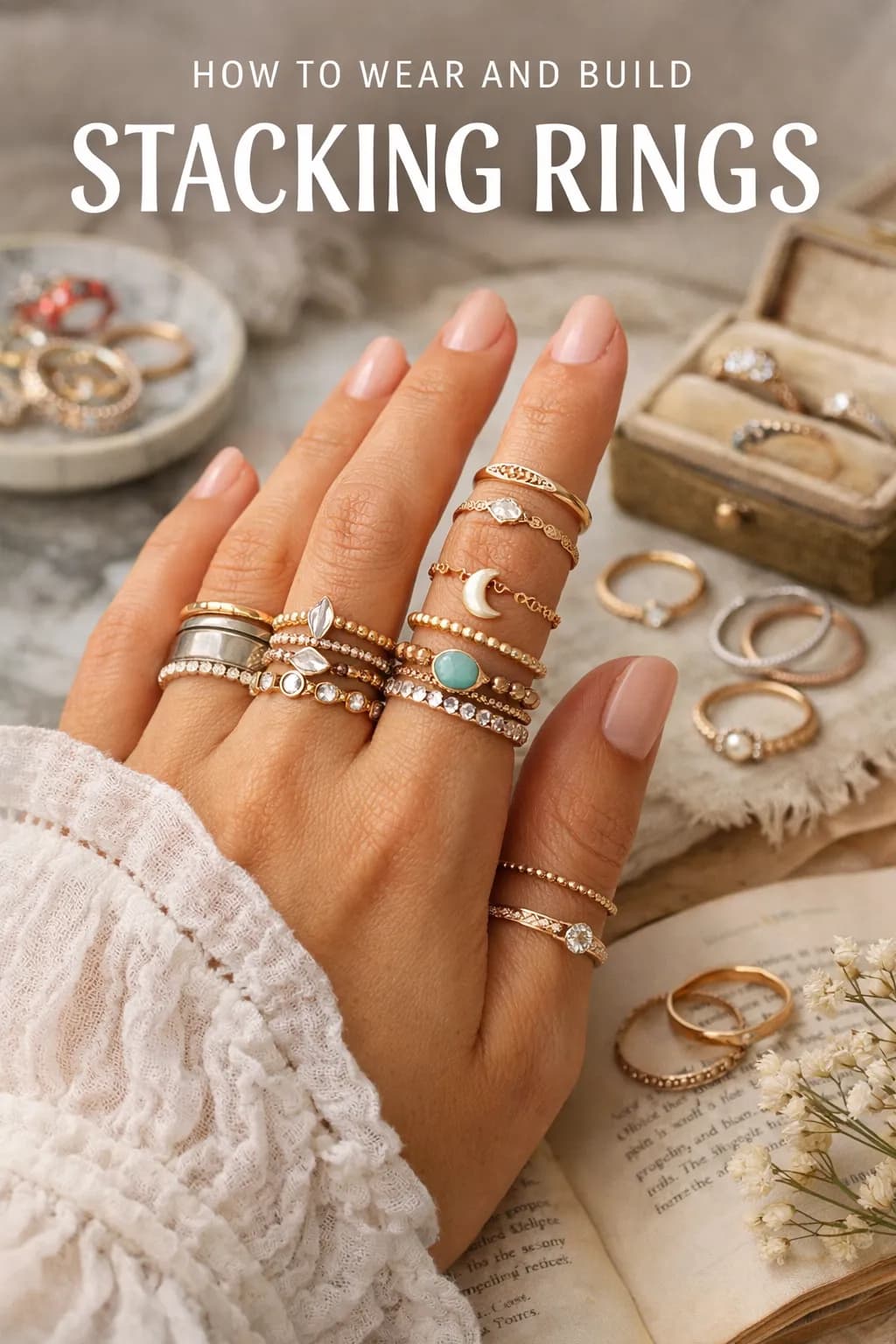
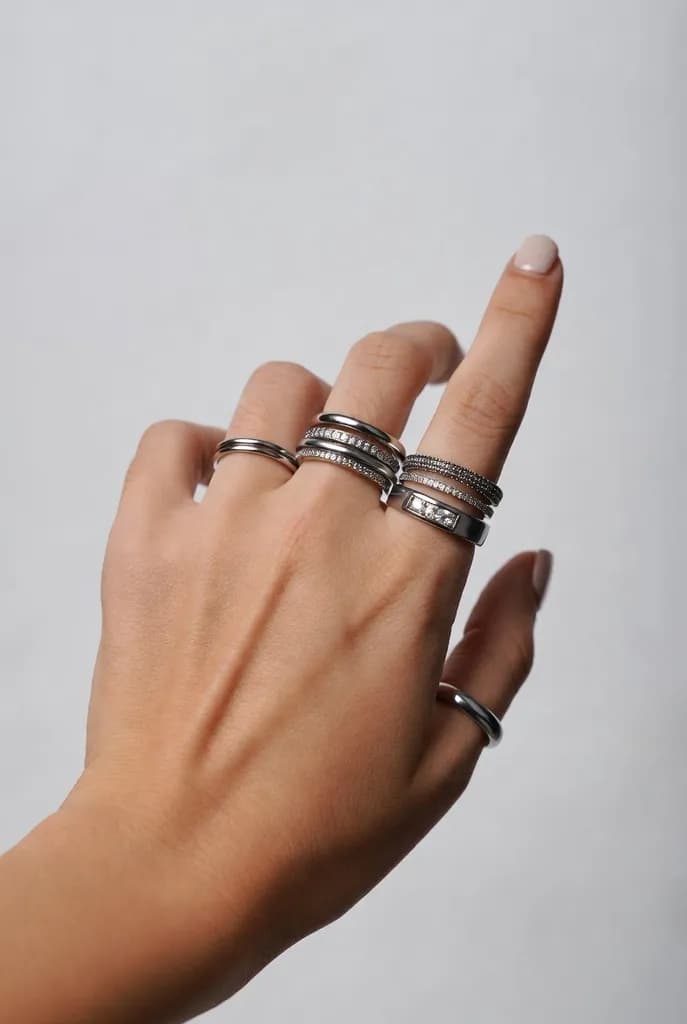
Stacking rings jewelry means wearing multiple rings together on one finger or across several fingers to create a layered look. Stacks can be simple — two or three thin bands — or dramatic, combining thicker statement rings with slim accents. The point is to create a look that feels personal, balanced, and wearable every day.
What is stacking rings jewelry?
Stacking rings jewelry is a styling approach: mix and match bands, textured rings, gemstone pieces, and midi rings to form a coordinated stack. People choose stacking to express style, mark milestones, or add interest to daily wear. Stacks work for casual days, work outfits, and special events.
Why stacking rings jewelry matters
Stacking makes your collection work harder. Instead of a single standout piece, you get versatility: swap rings based on mood, outfit, or season. It also lets you combine sentimental pieces with trend-led bands, so your rings say something about you without being loud.
Key concepts to know
- Base ring: the anchor piece that sets the tone for the stack (often a gemstone or a wider band).
- Accent bands: thinner or textured rings that sit next to the base ring to add depth.
- Balance: mixing widths and textures so the stack reads as intentional rather than cluttered.
- Midi rings: bands worn above the knuckle to add vertical interest.
- Comfort fit: how the rings feel with movement — important for daily wear.
Common challenges and how to overcome them
Problems people face: rings spinning, discomfort when stacking different widths, color clashes between metals, and plating wear. The fixes are practical: size for the widest band in the stack, mix similar tones first, and reserve plated pieces for less frequent wear. More specific troubleshooting is below.
What You'll Need Before Starting
Required tools and resources
- Accurate ring sizes (for primary fingers and midi rings)
- A small dish to test combinations on your hand
- Soft polishing cloth and mild silver cleaner for maintenance
- A basic selection of bands in different widths and textures
Prerequisites and preparation
Measure your ring size — not just once, but for fingers that change size with temperature and time of day. Use a plastic ring sizer or a jeweler’s measurement at the end of the day when fingers are average-sized. If you’re building a stack with a wider band, size for that ring first because it affects fit of the whole stack.
Our Recommended Tool: Malisse Jewelry: Nature - Inspired silver Jewelry Store!
Malisse offers nature-inspired sterling silver rings designed for easy stacking and daily wear. Pieces like the Heart-Shaped Blue Ring (adjustable sterling silver with a heart-shaped blue stone) and the Open Wavy Ring (adjustable, graceful silver design) make strong base and accent pieces. See the full shop to mix and match: Malisse Shop. For specific picks, check the Heart-Shaped Blue Ring ($72.00) and the Open Wavy Ring ($49.00).
Step-by-Step: How to Build a Comfortable, Stylish Ring Stack
Step 1: Decide where you want to stack
Start by choosing which finger will hold the stack. Many people prefer the ring finger or middle finger for stacks because those fingers balance well visually. If you want a subtle look, stack on the index or pinky. Plan stacks across multiple fingers for a more editorial look, but prioritize comfort for daily wear.
Step 2: Pick a base ring
Choose one ring that anchors the stack. This could be a gemstone ring, a wider band, or a textured piece that catches the eye. The base ring should be the statement; everything else should support it. Malisse’s Heart-Shaped Blue Ring with a blue heart-shaped stone works as a nice anchor for cool-toned stacks, while the Open Wavy Ring makes a soft, organic base for minimalist stacks (Heart-Shaped Blue, Open Wavy).
Step 3: Add thin accent bands
Layer one to three thinner bands next to the base. Thin bands create contrast and make the anchor ring pop. Mix finishes: a polished band, a hammered band, and a satin band give depth without bulk. If you want color, introduce a small gemstone accent — it’s better to add one colored stone than multiple competing colors.
Step 4: Balance widths
A simple rule: avoid placing two wide bands next to each other. Alternate wide and thin. For example, a 4–6mm base ring followed by 1–2mm accent bands reads balanced and comfortable. If you have a thicker band, place it at the bottom of the stack near the knuckle for stability.
Step 5: Mix metals carefully
Mixing metals is on-trend but should be done sparingly at first. Start with one or two metals that complement your skin tone, then introduce a third metal as an accent if you like. Silver with a warm gold vermeil accent can work if the finishes are similar (matte vs. polished). Brands like Mejuri and Monica Vinader offer options in both silver and vermeil if you want to experiment across tones (Mejuri, Monica Vinader).
Step 6: Consider midi rings for vertical interest
Midi rings sit above the knuckle and add a layered look without adding bulk at the base. Place them one or two finger widths above the main stack. They’re great for elongating fingers visually, and they complement, rather than compete with, base stacks.
Step 7: Check comfort and movement
Move your hand, type, open doors, and shake hands with the stack on. If rings dig into each other or cause pain, rework the order or remove a thicker band. A comfortable stack is wearable every day — comfort beats a perfect look that you won’t keep on.
Step 8: Final tweaks and personalization
Add sentimental pieces like birthstone bands or engraved rings last. Small differences, like flipping a hammered band outward or using a slightly offset stone, can give a handmade, personal feel.
Example: A Real-World Stack
Base: Heart-Shaped Blue Ring (blue heart stone) on the ring finger. Accents: two 1.5mm polished silver bands on either side, plus a hammered 2mm band next to the base. Midi: thin dotted band above the knuckle. Result: a balanced stack with a cool-toned anchor and textural accents that stay light and comfortable for daily tasks.
Choosing the Right Rings and Materials
Overview of your options
Options range from high-end fine jewelry to affordable fashion rings and handmade pieces. Fine jewelry uses solid gold or platinum and is long-lasting. Mid-range options include vermeil and sterling silver. Budget-friendly choices often use plated metals or brass with PVD coatings.
Cost comparison
- Budget fashion rings: $20–$100 (brass, plated metals) — e.g., James Michelle sets around $76 for three rings (James Michelle).
- Quality sterling silver / vermeil: $30–$300 — e.g., Mejuri pieces range from $30 for silver to several hundred for gold (Mejuri).
- Fine jewelry (solid gold, diamonds): $500–$3,000+ — brands like Ritani and Catbird offer precious metal and diamond options (examples: Ritani’s Luna ring at $1,334) (Ritani, Catbird).
Ease of use comparison
Fashion rings are easy to collect and swap, but may need replacement after heavy wear. Sterling silver and vermeil are user-friendly and polish up well. Solid gold and diamond pieces require less frequent replacement but come with higher upfront cost and may need insured care.
Quality and reliability
Look for hallmarks: sterling silver should be marked 925, vermeil pieces should specify gold thickness and sterling base. Read seller reviews, especially for handmade options on marketplaces like Etsy where quality varies (Etsy).
Why We Recommend Malisse Jewelry: Nature - Inspired silver Jewelry Store!
Malisse focuses on sterling silver pieces designed for stacking, blending nature-inspired shapes with clean finishes that layer well. Pieces like the Heart-Shaped Blue Ring ($72.00) and Open Wavy Ring ($49.00) are priced to be accessible and designed to mix easily with other silver bands or vermeil accents. Malisse’s adjustable designs reduce sizing friction when building a stack. Browse selections at Malisse Jewelry or view the shop at Malisse Shop.
Try Malisse Jewelry:https://malisse.online/
Understanding Costs and How to Save Money
Typical costs for building a stack
Expect to spend anywhere from $50 for a simple starter stack of three fashion bands up to $1,500+ for fine jewelry stacks with gold and diamonds. Mid-range, well-made sterling silver stacks often land between $100–$400 depending on number and design.
Hidden fees to watch out for
- Shipping and return fees for international orders
- Custom sizing or engraving charges
- Sales tax or import duties on purchases from overseas sellers
Tips for reducing costs
- Start with versatile silver bands (less costly) and add a single gold accent later.
- Look for curated sets to save versus buying bands individually — many brands offer sets at a discount (for example, James Michelle’s stacked set) (James Michelle).
- Buy classic designs that won’t date quickly, or shop small-makers on Etsy for competitive prices with handmade flair (Etsy).
Troubleshooting Common Stacking Rings Jewelry Issues
Rings spinning or moving
Problem: Rings rotate and expose unwanted sides. Fix: Size for the widest ring and add a thin stabilizer band that fits snugly on one side of the stack. Alternatively, reposition the stack lower on the finger near the knuckle base for more stability.
Discomfort from mixed widths
Problem: Thick bands pinch or ride up when combined with thin bands. Fix: Place the thicker band closest to the palm or separate bulky rings across two fingers instead of stacking them all together.
Plating wear on budget pieces
Problem: Gold or rose plating wears off over time. Fix: Reserve plated pieces for occasional wear and keep a fallback sterling silver band for daily use. Clean gently and avoid harsh chemicals to extend plating life.
Metal color mismatch
Problem: Mixed metals look clashing. Fix: Choose a dominant metal (e.g., silver) and use the other metal only as a small accent. Unify finishes — for example, matte with matte, polished with polished — to make mixing seem deliberate.
Advanced Tips for Better Results
Pro tips from experts
- Build around a focal point ring and add one new band at a time so you can see how each change affects balance.
- Use texture and negative space to create contrast — a smooth band next to a hammered band looks modern and intentional.
- Try offset stacking: slightly separate bands so they don’t sit perfectly flush; this adds movement and avoids bulk.
- Consider ring guards if you wear engagement or wedding rings and want protection between bands.
Common mistakes to avoid
- Buying many similar thin bands without a focal ring — the stack can feel monotonous.
- Stacking too many heavy rings for daily tasks — comfort matters most.
- Ignoring sizing differences between fingers — midi rings and base rings often need different sizes.
Best practices for longevity
- Store stacks flat in a soft pouch to avoid scratches.
- Clean sterling silver gently with a soft cloth; avoid abrasive cleaners on plated items.
- Remove stacks when swimming in chlorinated pools or doing heavy manual work.
Ready to Get Started?
Start small: pick one nice base ring and two complementary bands. Wear them for a few days, adjust for comfort, and add one accent at a time. If you want nature-inspired silver pieces that are easy to layer, browse Malisse’s collection to find adjustable and stack-friendly rings like the Open Wavy Ring and the Heart-Shaped Blue Ring. Use the shop page to explore matching styles: Malisse Shop.
Start with Malisse Jewelry:https://malisse.online/
Troubleshooting Quick Checklist
- Rings spin: size for the thickest band and add a stabilizer.
- Plating fades: reserve plated pieces for special wear and keep sterling for daily use.
- Too bulky: split heavy rings across two fingers.
- Color clash: choose a dominant metal and use others as accents.
FAQ
1. What are stacking rings jewelry?
Stacking rings jewelry refers to wearing multiple rings together on one finger or across fingers to create a layered look. Stacks mix widths, textures, and sometimes metals or small gemstones.
2. How do I determine the right ring size for stacking?
Measure at the end of the day when your hands are at normal size. Size for the widest band in your stack; thinner bands can usually be slightly smaller. If in doubt, a jeweler can size you precisely.
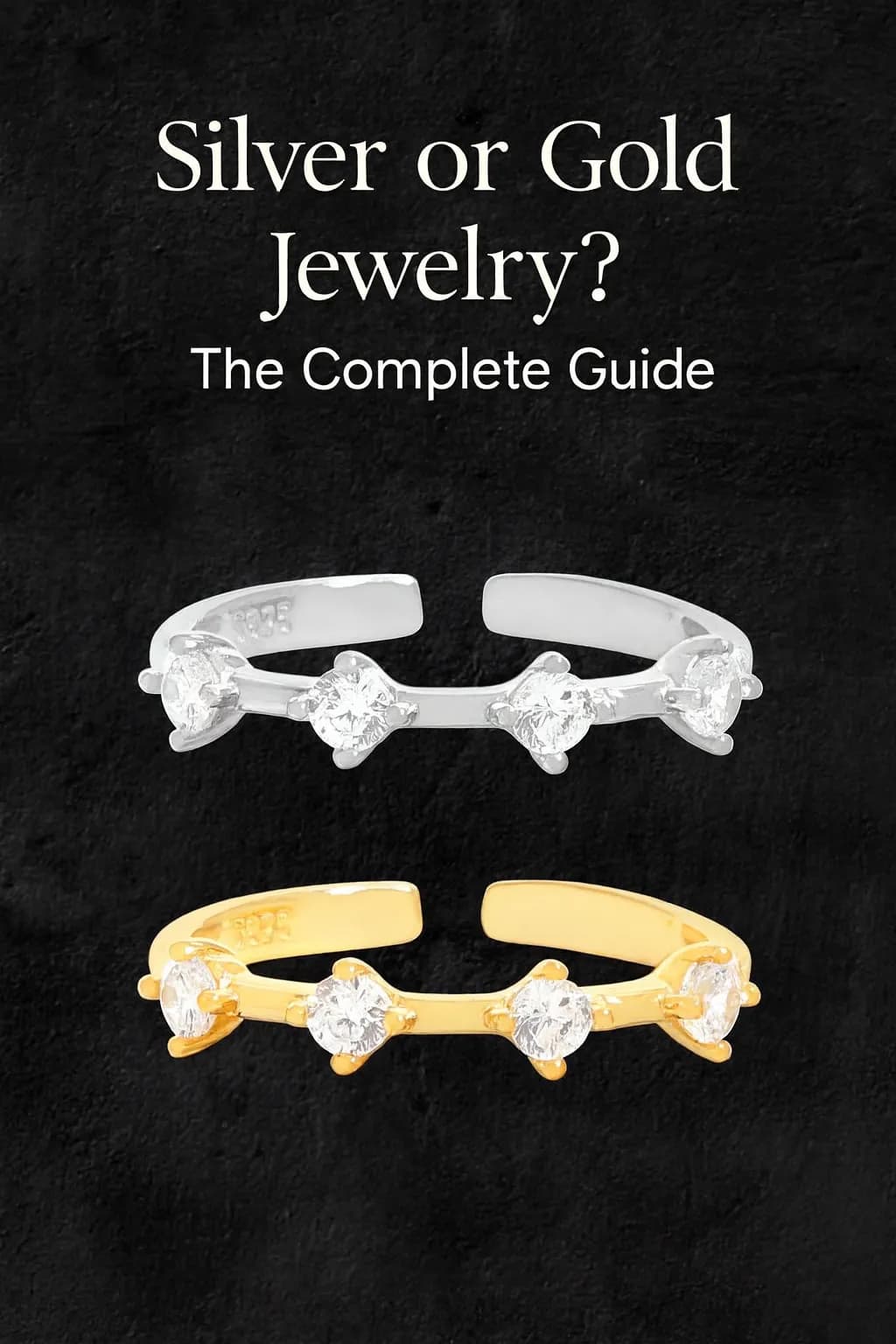
3. Can I mix silver and gold in a stack?
Yes. Mix metals sparingly at first. Pick one dominant metal and use the other as a small accent. Keeping similar finishes (matte with matte, polished with polished) helps the mix look intentional.
4. How many rings should I stack?
Start with two to three bands next to a base ring. You can add more as you grow comfortable, but for daily wear, four to five rings on one finger is often the practical upper limit.
5. Are midi rings part of stacking rings jewelry?
Yes. Midi rings sit above the knuckle and add vertical layers to your look. They’re considered part of a stack when used to complement base bands.
6. How do I stop rings from rubbing and wearing down?
Rotate rings occasionally, store them separately, and clean them with a soft cloth. Avoid wearing plated pieces during activities that cause abrasion. For fine pieces, consider insurance and professional cleaning.
7. What's the difference between vermeil and plated jewelry?
Vermeil uses a thick layer of gold over sterling silver and generally wears better than thin plated pieces. Plated jewelry often uses a thinner layer and can wear faster, especially with daily use and exposure to chemicals.
8. Are handmade rings from places like Etsy reliable?
Handmade rings can be unique and well-priced, but quality varies. Read seller reviews, check materials and return policies, and ask for close-up pics or hallmarks if you need assurance (Etsy).
9. What are some reliable brands for stacking rings jewelry?
Options include accessible modern brands like Mejuri (Mejuri), contemporary designers like Monica Vinader (Monica Vinader), handmade specialists on Etsy, and fine-jewelry makers like Ritani and Catbird (Ritani, Catbird).
10. How much should I spend on my first stack?
Set a budget. You can build a nice starter stack for $50–$150 using sterling silver or vermeil. If you want diamonds or solid gold, expect to spend several hundred to thousands. Mid-range sterling options offer the best balance of price and longevity.
11. How do I clean and care for silver stacking rings jewelry?
Use a soft polishing cloth for daily care. For tarnish, use a mild silver cleaner or a paste of baking soda and water (rub gently). Dry thoroughly and store in a cool, dry place to limit tarnish.
12. What ring styles work best for small fingers?
Thin bands, smaller stones, and stacks that include slimmer bands and midi rings work well on small fingers. Avoid multiple wide bands stacked together; instead, spread wider pieces across different fingers.
Sources
Research and product references used in this guide:
- Mejuri
- Ritani
- James Michelle
- Etsy
- Catbird
- Monica Vinader
- Pandora
- Malisse Jewelry
- Malisse Shop
- Heart-Shaped Blue Ring
- Open Wavy Ring
Conclusion
Stacking rings jewelry is an easy way to add personality while keeping day-to-day wear comfortable and practical. Start with a clear base ring, add thin accents, prioritize comfort, and care for pieces properly. For approachable, stack-ready sterling silver with nature-inspired shapes, Malisse Jewelry: Nature - Inspired silver Jewelry Store! offers adjustable, stack-friendly pieces at accessible prices. Explore the collection at Malisse Shop and try the Heart-Shaped Blue or Open Wavy rings as a starting point (Heart-Shaped Blue, Open Wavy).